
In the four years since the leading South African teams joined the old Pro 14 to form the United Rugby Championship, the Republic has supplied five of the eight finalists.
But after the Stormers beat domestic rivals Bulls in the inaugural showpiece in 2022, planet rugby’s most powerful nation is still awaiting another title, having stumbled at the final hurdle for each of the last three years.
First it was the Stormers who were upset in Cape Town by Munster in the 2023 final, before Glasgow stormed the Bulls’ Loftus Versfeld citadel a year later.
The powerful Pretoria outfit are still searching for a first URC title after losing a third final in four years – to Leinster in Dublin – last season.
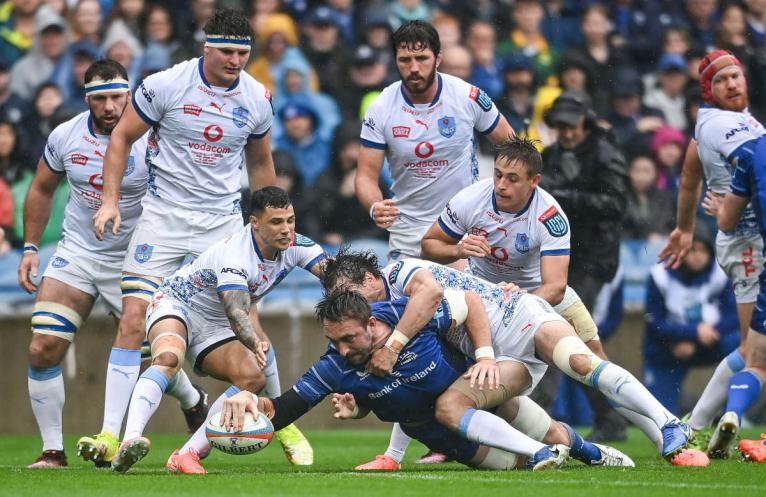
Will the Bulls, having replaced head coach Jake White with Johan Ackermann, find the elusive formula this term to take the ultimate prize? Will the Springbok-laden Sharks take another step forward after reaching a first semi-final last season? What about two-time finalists Stormers, whose hopes have ended in quarter-final defeat in Glasgow for the last two seasons? And can the Lions make the play-offs for the first time?
RugbyPass assesses the prospects of all four franchises with the new URC season poised for lift-off on Friday.
BULLS
Ins: Paul de Wet (Stormers), Nico Janse van Rensburg (Montpellier), Handré Pollard (Leicester Tigers), Jeandré Rudolph (Cheetahs), Jan Serfontein (Montpellier)
Outs: Simpiwe Matanzima (Sharks), Tielman Nieuwoudt (Cheetahs), Bernard van der Linde (Bath)
First 5 games: Ospreys (H), Leinster (H), Ulster (A), Connacht (A), Glasgow (A)
Strengths:
The Bulls have taken their scrum to the next level since tighthead prop Wilco Louw joined the franchise from Harlequins in late 2023, and another Springbok in Willie le Roux has been integral to the growth on their attack.
While they’ve lost none of the physicality that earned them three Super Rugby titles between 2007 and 2010, they’ve added yet another layer to their running game in recent seasons, with Kurt-Lee Arendse, Canan Moodie and Le Roux himself leading the try-scoring charge.
The Bulls boast slightly more Test players in their squad than the Springbok-laden Sharks, and it’s interesting to note how they’ve bolstered their backline stocks in recent months.
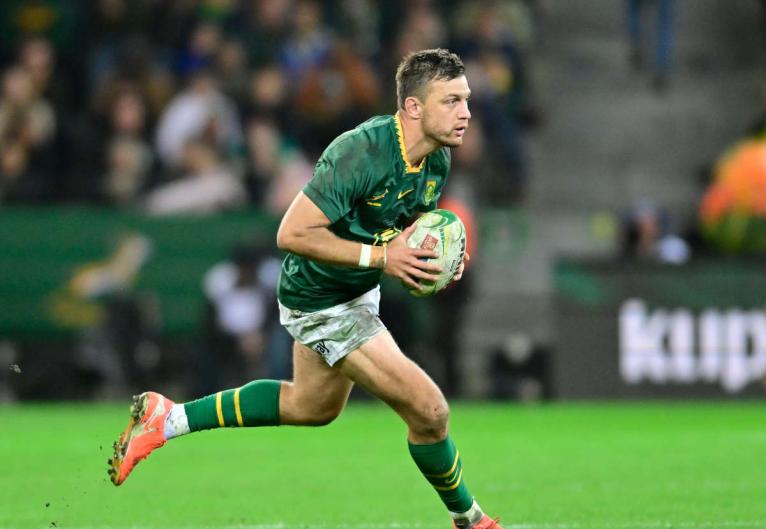
Fly-half Handré Pollard’s return to Pretoria after a six-year stint in Europe should boost the club in the game management and goal-kicking departments. Former Montpellier centre Jan Serfontein is expected to provide a foil for the Bulls’ free-spirited outside backs.
That’s not to say the coaches have neglected the development of the pack. Elrigh Louw and Cameron Hanekom will lend the forwards power as well as X-factor when they return from injuries, while Ruan Nortje’s lineout prowess and mobility around the park will further amplify their threat.
Weaknesses:
The Bulls have been the most consistent South African team on show since the advent of the URC – qualifying for three of the four finals – but have never managed to win the trophy.
Their game management and mental strength has been found wanting in each of those three deciders, and Jake White himself has occasionally lamented the fact.
White was particularly vocal about a supposed lack of quality and depth after the Bulls loss to Leinster in the recent final staged in Dublin. The coach’s comments prompted a backlash from the senior players and assistant coaches, which eventually resulted in White and the Bulls parting ways – and Johan Ackermann taking the reins only a couple of months before the start of the new season.
During this season of transition, they may struggle to win enough games to top the log and host the final – and may miss out on the title yet again.
Since then, the Bulls have failed to make the play-offs of the Currie Cup, and have sustained an extraordinary number of injuries. On the eve of the URC, Ackermann asked for patience, and suggested that the Bulls will take some time to hit their straps in the first phase of the tournament, which includes a rematch with Leinster in the second round and a challenging three-game tour of Ireland and Scotland thereafter.
Verdict:
The Bulls’ depth chart shows why they have the quality to go deep in the tournament, and the addition of Pollard and several other big names may improve their ability to close out big games. But during this season of transition, they may struggle to win enough games to top the log and host the final – and may miss out on the title yet again.
LIONS
Ins: Angelo Davids (Stormers), Batho Hlekani (Sharks), Eduan Keyter (Sharks), Dylan Sjoblom (Griquas), Chris Smith (Oyonnax)
Outs: Marius Louw (Sale Sharks), Sanele Nohamba (Shizuoka Blue Revs)
First 5 games: Cardiff (A), Zebre (A), Benetton (A), Scarlets (H), Ulster (H)
Strengths:
When the Lions get it right, they are a joy to watch. The Johannesburg-based franchise favours an attacking philosophy, and when they play on the hard grounds of the highveld, their forwards and backs have the ability to score some outstanding tries and put any opponent to the sword.
While their tackle-efficiency remains a work-on, they have the capacity to generate turnovers and initiate sweeping counter-attacks that result in momentous scores. Only Leinster forced more turnovers than the Lions in the last edition of the URC, with flanker JC Pretorius leading the individual turnover stats (25).
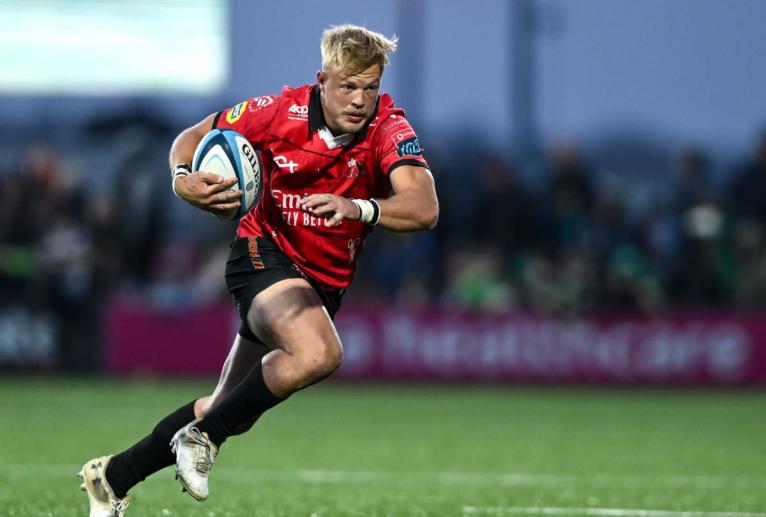
The back-row contingent is stacked with promising players, headlined by flankers such as Ruan Venter and Renzo du Plessis, who have already been exposed to the Springbok systems. The lightning-quick Haashim Pead recently made the step up from the Junior Springboks to Currie Cup rugby and should add value to a scrum-half group that includes an incumbent Bok in Morné van den Berg as well as Nico Steyn, yet another player who has trained with the national side in recent months.
Chris Smith’s return to South Africa after a stint in France may be significant, as the Lions have been on the hunt for a reliable fly-half and goal-kicker for some time. The former Bulls man should provide some balance to the Lions attack in the coming campaign. There’s a lot of potential in a tactical kicking triumvirate featuring Van den Berg, Smith and full-back Quan Horn – who has arguably the biggest boot in South Africa.
Weaknesses:
News of Edwill van der Merwe’s defection to the Sharks prompted a familiar set of questions: Why do the Lions struggle to retain their big-name players, and are they doomed to be little more than a vehicle for development rather than genuine URC contenders in years to come?
The Lions haven’t qualified for the play-offs since the competition’s inception, and while they have some promising assistant coaches within their ranks, they have failed to replace a couple of heavyweights in the head coach position.
Depth is a perennial problem for the Lions, who have neither the quality nor the numbers of the other three South African franchises.
Back in 2019, union bosses took the extraordinary decision to name the conditioning coach, Ivan ‘Cash’ van Rooyen, as interim head coach. Six years later, and the franchise is no closer to filling the void left by Johan Ackermann and Swys de Bruin, or making the play-offs. The Lions finished the 2024-25 league phase with a 44% win record.
Depth is a perennial problem for the Lions, who have neither the quality nor the numbers of the other three South African franchises. The side may be bursting with young talent, but experienced heads – and Boks – are few and far between.
Verdict:
The fact that a top-eight finish would be viewed as a success speaks volumes for where the Lions stand at present. And yet, if they suffer a few injuries to key players and fail to win their home matches, they may be surplus to play-off requirements for the fifth consecutive season.
SHARKS
Ins: Simpiwe Matanzima (Bulls), Marvin Orie (Bulls/Perpignan), Edwill van der Merwe (Lions)
Outs: Eduan Keyter (Lions), Batho Hlekani (Lions), Ntuthuko Mchunu (Stormers, Dylan Richardson (Edinburgh), James Venter (Gloucester), Cameron Wright (Narbonne)
First 5 games: Glasgow (A), Dragons (A), Leinster (A), Ulster (H), Scarlets (H)
Strengths:
Since receiving a substantial private equity injection at the beginning of 2021, the Sharks have moved to stack their team and wider squad with superstars. As it stands, the Bulls have the most players with Test experience in their ranks, while the Sharks have more players who are part of the incumbent Springbok group.
That situation has its pros and cons. When all of their stars are fit and available, the Sharks have the ability to field an international line-up from one to 15. When 10 or more are away on Test duty or subject to resting protocols, the Sharks are far less imposing.
That said, the younger and less established players are starting to find their feet. Utility players Vincent Tshituka and Ethan Hooker earned call-ups to the Boks this year on the back of their impressive performances for the Sharks, and it won’t be long before back-row Emmanuel Tshituka, tighthead prop Hanro Jacobs and centre Jurenzo Julius follow suit.
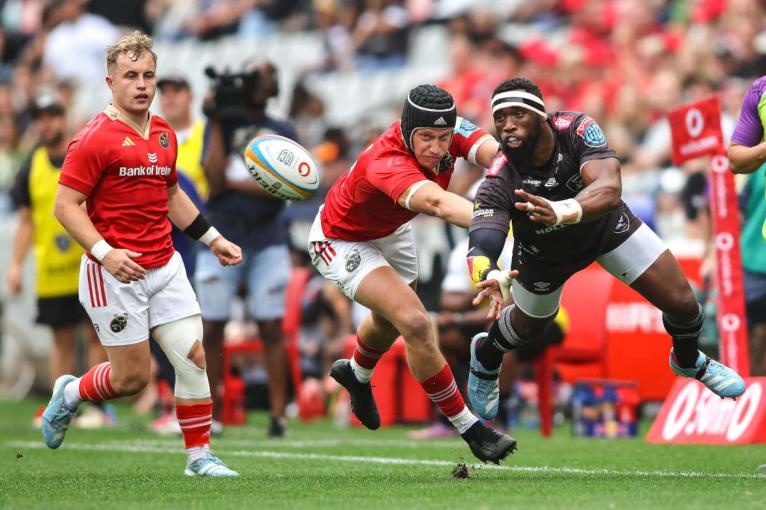
When all hands are on deck, coach John Plumtree has a wealth of forward experience at his disposal. Double World Cup-winners such as Ox Nché, Bongi Mbonambi, Vincent Koch, Eben Etzebeth and Boks skipper Siya Kolisi have the means to dominate the set-piece and gainline, while Grant Williams, Jaden and Jordan Hendrikse, André Esterhuizen, Lukhanyo Am and Aphelele Fassi are part of a dangerous backline.
Edwill van der Merwe recently joined the franchise, and will provide further depth to an outside back group that includes Makazole Mapimpi, as well as rising stars like Hakeem Kunene and the Junior Boks flyer Jaco Williams.
Weaknesses:
No tournament is won on paper, of course, and it’s worth noting that the Sharks have yet to convert all that talent and experience into a major title. Somewhat unbelievably, last season’s showdown with the Bulls at Loftus Versfeld marked their very first URC semi-final appearance.
Some stats suggest they are attempting to play with more balance – Jaden Hendrikse topped the category for kicks from hand in the last campaign – but the fact of the matter is that they aren’t finishing enough of their attacking opportunities.
The Sharks couldn’t have asked for a tougher start to the campaign, with a three-match tour to the northern hemisphere book-ended by clashes against former champions Glasgow Warriors and title-holders Leinster.
Esterhuizen and Hooker were among the most destructive attacking players in the tournament last season – topping the charts for defenders beaten and line-breaks respectively – but overall, the Sharks conceded the most turnovers with ball in hand.
They may be hard-pressed to start the new season on a dominant note, given that the initial rounds of the URC will overlap with the back-end of the Rugby Championship, and they won’t have access to top Springboks.
The Sharks couldn’t have asked for a tougher start to the campaign, with a three-match tour to the northern hemisphere book-ended by clashes against former champions Glasgow Warriors and title-holders Leinster.
Verdict:
The Sharks should finish in the top four for the second-consecutive season, but it remains to be seen whether they will travel for a semi-final and a potential final. That outcome may be shaped by their attacking accuracy as well as the ability to win regularly over the league phase.
STORMERS
Ins: Ruan Ackermann (Gloucester), Ntuthuko Mchunu (Sharks), Cobus Reinach (Montpellier), Hencus van Wyk (Cheetahs)
Outs: Angelo Davids (Lions), Paul de Wet (Bulls), Joseph Dweba (Exeter Chiefs), Brok Harris (retired), Herschel Jantjies (Bayonne), Manie Libbok (Hanazo Kintetsu Liners), Ben Loader (Gloucester)
First 5 games: Leinster (H), Ospreys (H), Scarlets (A), Zebre (A), Benetton (A)
Strengths:
John Dobson’s team of misfits defied the odds when they won the inaugural URC title in 2022 and then hosted Munster in the decider a year later. Since then, great strides have been made off the field, as new ownership – and ultimately more resources – have provided the Stormers with the means to build for the future.
Springbok fly-half Sacha Feinberg-Mngomezulu is the spearhead of a team stacked with attacking stars, including double World Cup winner Damian Willemse, last season’s top try-scorer Leolin Zas (nine) and new recruit Cobus Reinach.
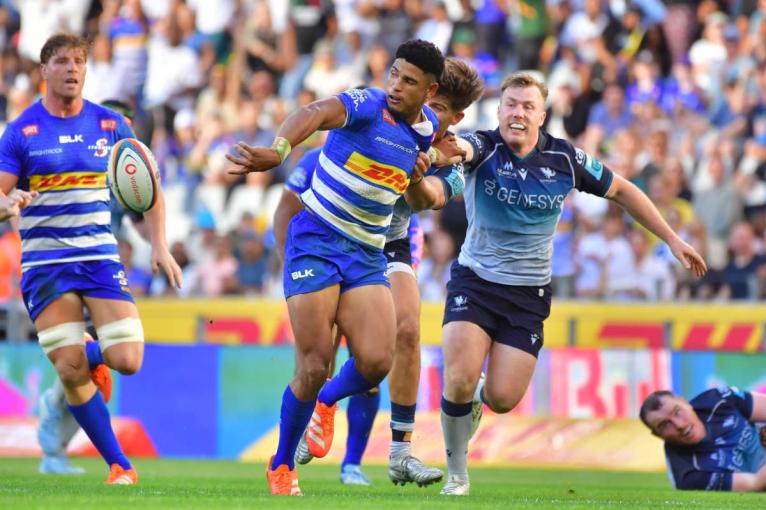
Younger players such as winger Suleiman Hartzenberg, centre Jonathan Roche and flanker Paul de Villiers have already been exposed to the system, and should get more opportunities in the coming months, as the franchise persists with its ambitious approach.
The return of Boks flankers BJ Dixon and Deon Fourie from serious injuries will bolster a back row that under-delivered last term, while No 8 Evan Roos will be desperate to remind the national selectors of what he can do. The recent recruitment of Gloucester hardman Ruan Ackermann, a powerful ball-carrier and defender, may lend the Stormers more grunt up front.
Weaknesses:
The Stormers scrum and defence delivered mixed showings over the course of the league phase in 2024/25. The addition of Boks loosehead prop Ntuthuko Mchunu could strengthen the set-piece, and they will be hoping that the ailing veteran Frans Malherbe returns to action sooner rather than later.
The balance in their approach will be a big talking point. Dobson’s charges produced some truly inspiring performances in Cape Town towards the back-end of last season, but lost heavily in the quarter-final in Glasgow. It wasn’t the first time the Stormers struggled in northern-hemisphere conditions or that discipline cost them an important result, if one recalls the defeat to Ulster in Belfast during the league phase.
The departure of Manie Libbok, Herschel Jantjies and Paul de Wet leaves them light on experienced half-back alternatives, and they will be hoping for some luck with regards to injuries in other backline positions.
Plans are in place to build the squad into genuine title contenders over the next few years. Schoolboy sensation Markus Muller, who scored 36 tries for Paarl Gymnasium this past season, and Junior Boks skipper Riley Norton are among the rising stars who have committed to the franchise. Boks tighthead Wilco Louw will return to Cape Town next season and rumours of Cheslin Kolbe’s homecoming continue to gather momentum.
And yet it remains to be seen how the Stormers will fare in the short term, especially while their Boks are away on Test duty.
The departure of Manie Libbok, Herschel Jantjies and Paul de Wet leaves them light on experienced half-back alternatives, and they will be hoping for some luck with regards to injuries in other backline positions.
It doesn’t get any tougher than an opening fixture against Leinster, even if Friday’s fixture will be staged in Cape Town. After hosting the Ospreys, the Stormers will face Scarlets, Zebre Parma and Benetton overseas – and then return to Europe immediately after the November Test window to play Munster in the URC and Bayonne in the first round of the Champions Cup.
Verdict:
All things considered, Dobson and company may be satisfied with another top-eight finish that gives them the chance of surprising some of the better teams in the knockouts. Failing to qualify for the play-offs would be viewed as a massive setback for a team that contested the first two finals of the tournament.
RugbyPass will also be assessing the prospects for the Irish, Italian, Scottish and Welsh teams in the URC over the coming days.


Comments
Join free and tell us what you really think!
Sign up for free