




1
All Blacks injury list continues to grow with double whammy before Wallabies
31


 Share
Share 
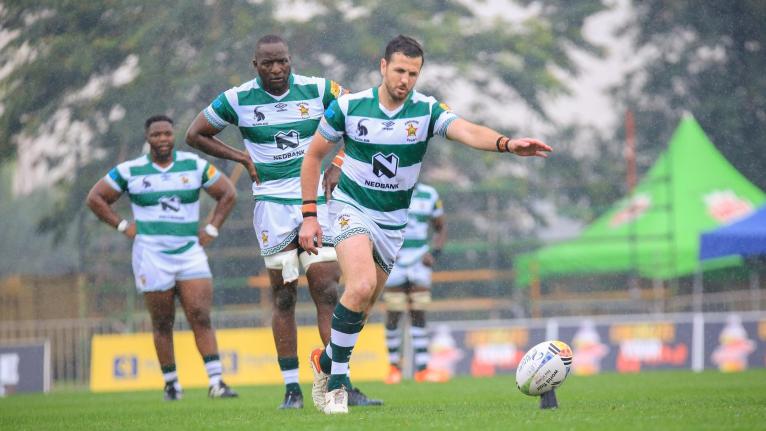
World Rugby chair Brett Robinson will make an official five-day visit to Zimbabwe next week, a trip the union have described as ‘truly extraordinary’.
The governing body is looking to build on the momentum generated by the Sables’ qualification for Rugby World Cup 2027.
The visit also carries personal significance for Robinson, who previously played rugby in Zimbabwe before later representing the Wallabies and moving into rugby administration.
World Rugby said discussions throughout the week will focus on how Zimbabwe can convert Rugby World Cup qualification into long-term growth across the game, from grassroots participation and high-performance programmes through to commercial partnerships and sustainable investment.
Zimbabwe’s return to the global stage after a 36-year World Cup absence has provided a fresh platform for the union to strengthen its structures, while World Rugby views the Sables’ resurgence as part of its wider objective to create stronger competitive pathways for developing nations.
Robinson will be joined by Rugby Africa president and World Rugby executive board member Herbert Mensah, along with World Rugby chief of international federations David Carrigy, during the visit from August 23-27.
The trip comes at a pivotal time for Zimbabwean rugby following the Sables’ qualification for their first Rugby World Cup since 1991 after securing Africa’s berth for the expanded 2027 tournament in Australia.
Robinson, elected World Rugby chair in November 2024, is scheduled to meet government officials, rugby stakeholders and commercial partners, with discussions expected to centre on World Cup preparations, player welfare, high-performance structures, investment and governance.
“Zimbabwe is a standout example of rugby’s growth and progress across Africa and beyond,” Robinson said.
“The ambition, passion and commitment shown throughout the country reflect World Rugby’s mission to grow the game, bring people together and create a positive impact.
“The Sables’ qualification for the Men’s Rugby World Cup 2027 in Australia and the World Rugby Nations Cup is a testament to that progress.
“I am confident the people of Zimbabwe will unite behind the team with great pride as they represent their nation on one of sport’s biggest stages.”
Robinson added that Zimbabwe’s rugby heritage and long-standing place within the African game made the visit particularly significant as the governing body explores opportunities to support further development.
The delegation’s arrival follows Zimbabwe’s participation in the inaugural World Rugby Nations Cup, where the Sables faced Tonga, the USA and Canada as part of a competition designed to provide more regular Tier 2 Test rugby.
Mensah described the visit as a major endorsement of the progress made by Zimbabwean rugby.
“The imminent visit to Zimbabwe by the chair of World Rugby, Brett Robinson, is truly extraordinary,” he said.
“It is a massive statement that World Rugby is backing Zimbabwe, supporting the Sables and recognising the importance of what is happening in the country.
“Zimbabwe has shown that, with the right competitive base, investment and planning, African teams can compete strongly on the international stage.”
Mensah also pointed to the challenges facing emerging nations as World Rugby prepares for the first 24-team Rugby World Cup in 2027.
“We’ve expanded the Rugby World Cup to 24 nations, and every single one of them must have a chance to prepare themselves professionally, right through to the competition,” he said.
Join free and tell us what you really think!
Sign up for freeWith Antoine Dupont no longer an automatic choice at scrum-half, Bordeaux's Maxime Lucu could take centre stage in November.
For so long, a ding-dong rivalry, if the Wallabies renaissance can continue, the Bledisloe Cup has the kudos to rival RGR
The inaugural Nations Championship represents the first major opportunity to embrace private investment, but only if the game is accessible.
With some interesting commentators
Jacomb to start FFS Rens back these young guys.
agree no Narawa and others is bewildering


 Clear
Clear 


 Copy link
  Facebook
  X/Twitter
  WhatsApp
  Messenger